Kitchen Exhaust Fan
A poorly functioning downdraft exhaust fan can allow cooking odors, smoke, grease, and excess moisture to remain inside the home.
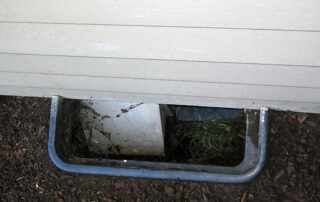
A poorly functioning downdraft exhaust fan can allow cooking odors, smoke, grease, and excess moisture to remain inside the home.
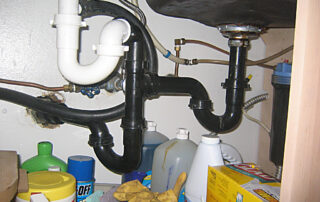
A damaged or improperly installed sink trap can cause leaks, water damage, drainage problems, unpleasant odors, and sewer gases to enter the home.
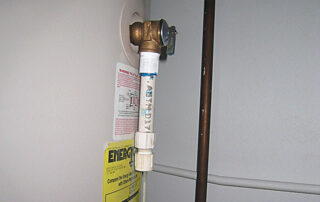
A faulty or missing T&P safety valve can lead to dangerous pressure buildup, increasing the risk of leaks, property damage, or water heater failure.

Unsafe under-sink plumbing and electrical can cause leaks, sewer gas, water damage, or electrical shock. A home inspection helps identify these hazards before they become expensive or dangerous.
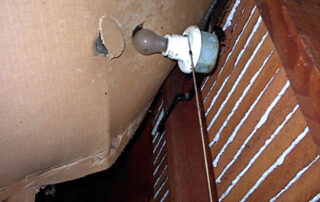
Electrical hazards in attics can remain hidden for years, increasing the risk of fire, costly repairs, failed inspections, and serious safety issues after moving in.
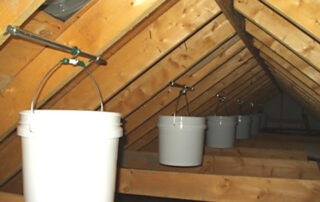
Roof and attic issues often stay hidden until after closing, leading to expensive repairs, poor energy efficiency, and potential structural damage if not identified early.
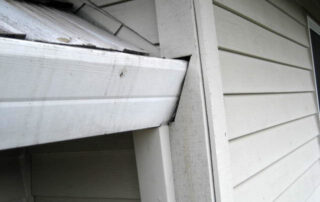
Blocked or damaged gutters can cause roof leaks, wood rot, siding stains, erosion, and costly foundation or drainage problems over time.
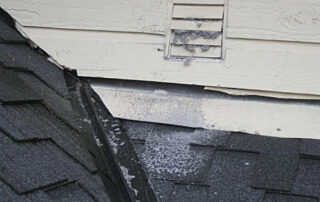
Dryer vents remove hot, moist air to the outside. They should be metal, short, clean, and properly connected to prevent lint buildup and fire risk.
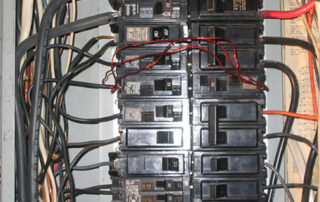
Exposed wires, overloaded circuits, double-tapped breakers, warm outlets, flickering lights, and missing GFCI/AFCI protection can signal electrical hazards worth addressing.

A plumbing trap holds water to block sewer gas. Missing P-traps, poor venting, loose joints, leaks, or corrosion can lead to odors, moisture damage, and costly repairs.
